Techper largest molded pulp Manufacturers in Vietnam
SEO
Pulp Industry Expert
Understanding Pulp Mold: A Complete Guide to Pulp Forming Mold, Pulp Moulding Die, and Pulp Mold Tooling
As the global packaging industry increasingly shifts toward sustainable solutions, molded fiber products are rapidly replacing traditional plastic packaging. From egg trays and fruit trays to cup carriers, industrial inserts, and medical packaging, molded pulp products are now widely used across many industries. At the core of every high-quality product lies a critical component: the pulp mold. http://Techpervn.com
At Techper, one of the largest molded pulp manufacturers in Vietnam, advanced tooling systems play a key role in delivering high-performance packaging solutions. With a modern 10,000m² factory in Ho Chi Minh City and a team of over 100 skilled employees, Techper specializes in both wet mold pulp and dry mold pulp production, offering comprehensive manufacturing capabilities.

What Is a Pulp Mold?
A pulp mold is the essential tooling used to shape pulp slurry into finished molded fiber products. It is also commonly referred to as a pulp forming mold, pulp moulding die, or pulp molding die, depending on industry terminology. Regardless of the name, its function remains the same: transforming wet pulp into precise, functional packaging.
A high-quality pulp molding die directly influences product shape, edge definition, thickness consistency, dimensional accuracy, and structural strength. Whether used for protective packaging, disposable tableware, or industrial applications, the mold plays a decisive role in final product quality.
This is why manufacturers place strong emphasis not only on the mold itself but also on molded pulp die design and the overall performance of pulp mold tooling.

How Does a Pulp Forming Mold Work?
In molded pulp production, raw materials such as recycled paper, virgin pulp, or plant fibers are mixed with water to create a slurry. This slurry is then transferred to the forming section, where the pulp forming mold uses vacuum suction to capture and shape fibers onto the mold surface.
As water is extracted, fibers interlock and gradually form the product structure. After forming, the product may go through several stages including transfer, hot pressing, drying, trimming, and finishing.
Throughout this process, the precision and engineering quality of the pulp moulding die are critical. A well-designed mold improves drainage efficiency, ensures uniform fiber distribution, minimizes deformation, and enables smooth product release.
Why Is a High-Quality Pulp Moulding Die Important?
A pulp moulding die is not just a forming tool—it is a key factor in production stability and efficiency. Low-quality molds can lead to uneven thickness, weak edges, poor surface finish, dimensional inconsistencies, and difficult demolding.
In contrast, a high-precision pulp molding die ensures:
- Consistent product dimensions
- Clean and smooth surfaces
- Reduced defect rates
- Higher production efficiency
- Lower long-term operational costs
For manufacturers aiming to produce premium molded pulp packaging, investing in advanced pulp mold tooling is essential.
The Importance of Molded Pulp Die Design
Effective molded pulp die design is fundamental to successful production. A well-engineered design must consider factors such as product geometry, shrinkage rate, drainage capability, vacuum performance, demolding angle, and machine compatibility.
Professional design ensures even fiber distribution, improved strength, faster water removal, and optimized production cycles. For customized packaging, precise molded pulp die design helps balance aesthetics, functionality, and cost-efficiency.
Applications of Pulp Mold Tooling
Today, pulp mold tooling is widely used across multiple industries, including:
- Agriculture: egg trays, fruit trays, seed trays
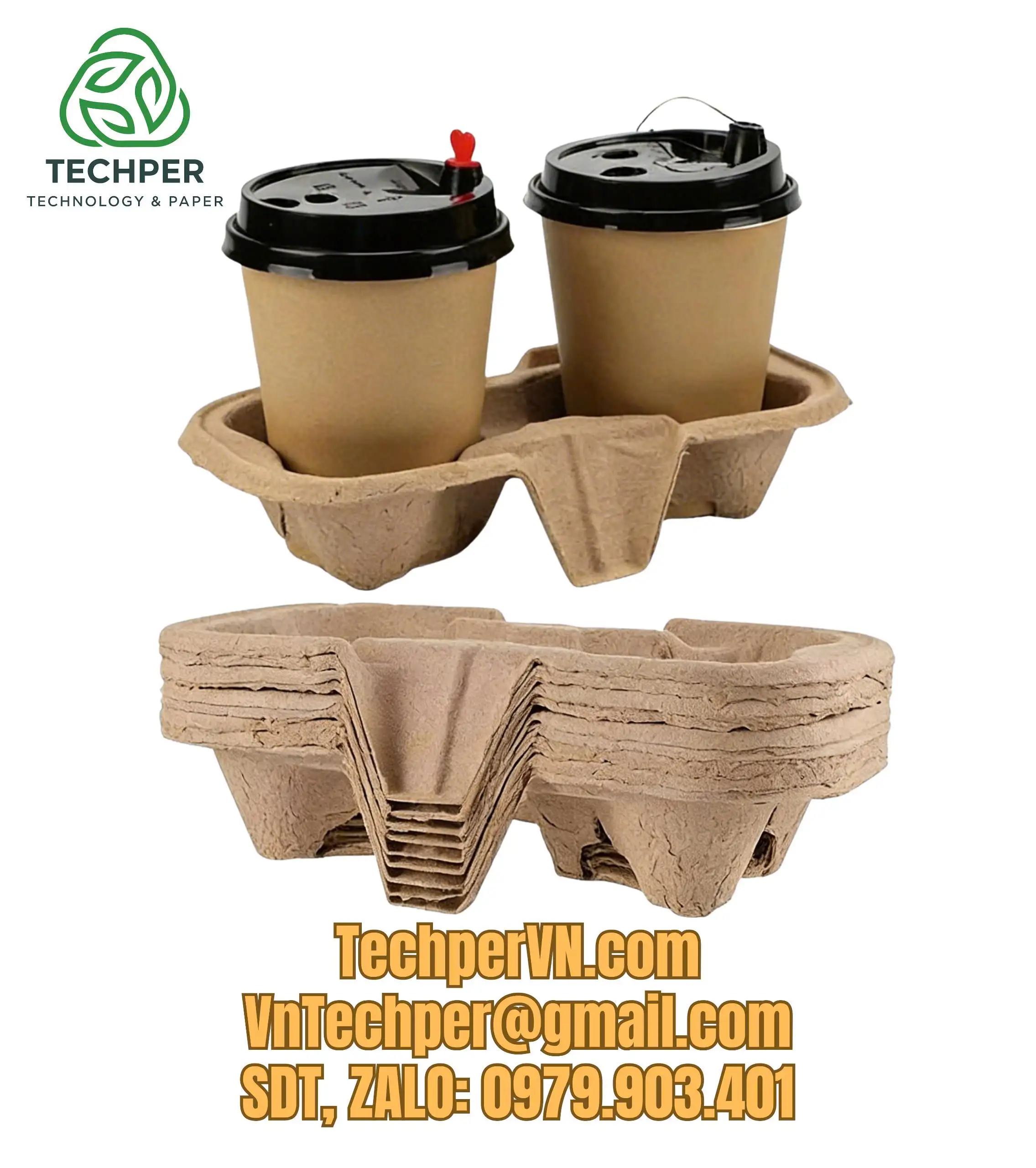
- Food packaging: cup holders, takeaway containers, bowls
- Electronics: protective inserts replacing foam and plastic
- Healthcare: disposable trays and medical packaging
As demand for biodegradable and recyclable packaging grows, the need for high-performance pulp molding die solutions continues to increase globally.
Materials Used in Pulp Mold Tooling
The performance of pulp mold tooling depends heavily on material selection. Common materials include:
- Aluminum alloy: lightweight, cost-effective, easy to machine
- Stainless steel: high durability and corrosion resistance
- Copper and other metals: used for specific technical requirements
Selecting the right material depends on production volume, product type, and operating environment. An experienced manufacturer like Techper can recommend optimal solutions for long-term performance.
Why Custom Pulp Forming Mold Solutions Matter
Standard molds are not always suitable for every product. Different applications require unique shapes, sizes, stacking features, and protective functions. This is where custom pulp forming mold solutions become essential.
A customized pulp moulding die offers:
- Better product fit and protection
- Reduced material waste
- Improved production efficiency
- Enhanced brand differentiation
At Techper, custom mold development is a core strength, enabling clients to create unique, eco-friendly packaging solutions tailored to their needs.
How to Choose the Right Pulp Molding Die Supplier
Selecting the right supplier is crucial when investing in pulp molding die solutions. Buyers should evaluate:
- Design expertise
- Manufacturing precision
- Industry experience
- Understanding of molded pulp processes
A reliable partner should provide complete solutions—from pulp forming mold development to pulp mold tooling production and optimization.
With its large-scale factory in Ho Chi Minh City, advanced equipment, and skilled workforce, Techper stands out as a trusted partner for both prototype and mass production tooling.
The Future of Pulp Mold Tooling and Sustainable Packaging
As sustainability becomes a global priority, pulp mold tooling continues to evolve. Manufacturers are demanding higher precision, better durability, improved surface quality, and compatibility with automated production systems.
Innovations in molded pulp die design are enabling the creation of lighter, stronger, and more refined packaging products. Advanced pulp forming mold systems are becoming a strategic investment for companies seeking to enhance both product quality and environmental performance.
Conclusion
A pulp mold is the foundation of molded pulp manufacturing. Whether referred to as a pulp forming mold, pulp moulding die, or pulp molding die, it plays a critical role in determining product quality, production efficiency, and packaging performance.
For businesses entering the eco-friendly packaging market, investing in high-quality pulp mold tooling and professional molded pulp die design is essential. Partnering with an experienced manufacturer like Techper ensures reliable production, reduced waste, and the ability to deliver sustainable packaging solutions that meet modern market demands.